

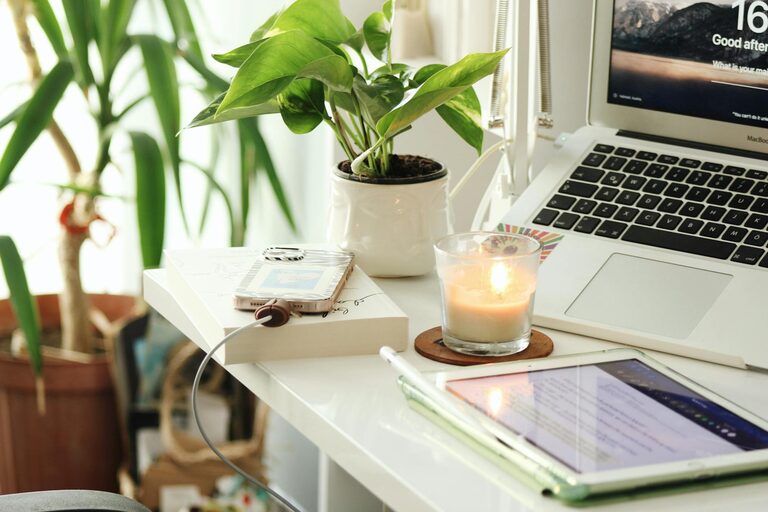
Creating a relaxing home office space is essential for maintaining focus and wellbeing while working from home. With many people shifting to remote work, having a dedicated area that encourages productivity without stress can make a big difference. In this post, we’ll explore simple and effective tips to help you design a home office that feels both comfortable and inspiring.
Why a Relaxing Home Office Matters
Working from a cluttered or noisy environment can increase stress levels and reduce efficiency. On the other hand, a calming workspace helps you concentrate better, stay organized, and maintain a positive mindset. When you create a space that feels peaceful and personalized, you’re more likely to enjoy your workday and finish tasks on time.
Choose the Right Location
Selecting the best spot for your home office is the first step toward a relaxing setup.
– Natural Light: Opt for a space near a window when possible. Natural light boosts mood and alertness.
– Quiet Area: Look for a part of your home with the least background noise or distractions.
– Separate Space: Ideally, choose a room or nook separate from common living areas to create a mental boundary between work and relaxation.
Invest in Comfortable Furniture
Ergonomics greatly affect both comfort and productivity.
– Supportive Chair: A good office chair with adjustable height, lumbar support, and cushioning reduces the risk of back pain.
– Desk Height: Ensure your desk height allows your elbows to rest at a 90-degree angle for comfortable typing.
– Flexible Setup: Consider a sit-stand desk or accessories that let you change positions during the day.
Organize Clutter for Mental Clarity
A tidy workspace promotes calm and helps you focus.
– Storage Solutions: Use shelves, drawers, and desk organizers to keep supplies neatly stored.
– Minimal Decor: Keep desktop items to a minimum—only essentials and a few personal touches.
– Cable Management: Organize cables with ties or channels to avoid a tangled mess.
Use Calming Colors and Decor
Colors and decorations influence your mood and energy levels.
– Soothing Palette: Choose soft, neutral colors like light blues, greens, or warm grays for walls and accessories.
– Personal Touches: Add items that make you smile or feel relaxed, such as plants, artwork, or photos.
– Nature Elements: Indoor plants improve air quality and bring a refreshing natural vibe.
Optimize Lighting
Proper lighting reduces eye strain and creates a pleasant atmosphere.
– Layered Lighting: Combine natural light with ambient, task, and accent lighting.
– Adjustable Lamps: Use a desk lamp with adjustable brightness and direction for focused work.
– Avoid Glare: Position your screen and light sources to minimize reflections.
Incorporate Relaxation Elements
Integrate features that help you unwind during breaks.
– Aromatherapy: Use subtle scents like lavender or eucalyptus with a diffuser to encourage calm.
– Soft Textiles: Keep a cozy blanket or cushion nearby for comfort.
– Sound: Consider a white noise machine, soft music, or nature sounds to create a soothing background.
Maintain Healthy Habits
Creating a relaxing home office is not just about the space but also about routines.
– Regular Breaks: Stand up, stretch, or take short walks regularly to reduce tension.
– Stay Hydrated: Keep a water bottle nearby to remind yourself to drink fluids.
– Set Boundaries: Define work hours and stick to them to balance productivity with rest.
Final Thoughts
Designing a relaxing home office space takes some planning but is well worth the effort. By focusing on comfort, organization, lighting, and personal touches, you can create an environment that supports your work and wellbeing. Start with small changes and adjust your space as needed to find what works best for you. With a calm and inviting home office, your workdays will feel less stressful and more enjoyable.