

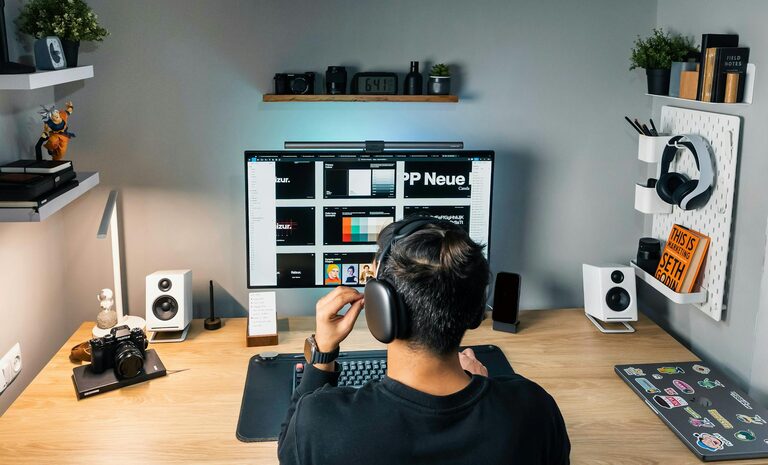
Creating a home workspace that feels relaxing yet productive can make a significant difference in your work-from-home experience. When your environment promotes comfort and focus, it becomes easier to maintain motivation and accomplish tasks efficiently. Whether you have a dedicated room or a small corner, these tips will help you set up a workspace that supports your well-being and productivity.
Choose the Right Location
The first step in creating a relaxing workspace is selecting the right spot in your home. Ideally, this space should be:
– Quiet and low-traffic: To minimize distractions, pick a quieter area away from high-traffic zones like the kitchen or living room.
– Well-lit: Natural light is best, so try to position your desk near a window if possible. Good lighting helps reduce eye strain and lifts your mood.
– Ventilated: Fresh air improves focus, so choose a spot with good airflow or keep windows open during work hours.
If space is limited, consider using room dividers or screens to create a distinct work zone.
Invest in Comfortable, Ergonomic Furniture
Comfort is key to staying productive and avoiding discomfort or injury. When furnishing your workspace, focus on ergonomics:
– Ergonomic chair: Choose a chair that supports your lower back and encourages good posture. Adjustable height and armrests are definite pluses.
– Desk at the right height: Your desk should allow your forearms to rest parallel to the floor when typing, helping prevent wrist strain.
– Keyboard and mouse: Position these tools so your elbows stay close to your body and wrists remain neutral.
Taking care of your posture will help reduce fatigue and keep you feeling refreshed throughout the day.
Declutter and Organize Regularly
A cluttered workspace can contribute to a cluttered mind. Keeping your area tidy and organized helps you stay focused. Here are some strategies:
– Limit items on your desk: Only keep essentials like your computer, notepad, and pens on your desk surface.
– Use storage solutions: Drawers, shelves, and organizers help keep papers and supplies out of sight but within reach.
– Clean up daily: Spend a few minutes at the end of each day tidying your workspace to maintain a calming environment.
A clean workspace reduces stress and makes it easier to concentrate on your tasks.
Incorporate Calming Colors and Decor
The colors and decor you choose can have a subtle but meaningful impact on your mood. Consider these design tips:
– Use soothing colors: Blues, greens, and neutral tones are known to promote calmness and focus.
– Add plants: Indoor plants introduce nature into your space, improving air quality and creating a relaxed atmosphere.
– Personalize thoughtfully: Include objects that inspire you, such as art prints, photos, or motivational quotes, but avoid overcrowding.
These touches can make your workspace feel inviting and uplifting.
Manage Technology and Minimize Distractions
Technology is essential for work but can also be a source of distraction. To maintain a relaxing and productive environment:
– Organize cables: Use cable management solutions to avoid a tangled mess that looks chaotic.
– Limit notifications: Turn off non-essential alerts on your computer and phone during work hours.
– Choose noise management tools: If noise is unavoidable, consider using noise-canceling headphones or background music tailored to focus.
Controlling technology distractions helps keep your attention where it matters.
Create Boundaries Between Work and Relaxation
One challenge of working from home is separating work life from personal life. Setting boundaries contributes to a relaxing workspace:
– Define work hours: Stick to consistent start and finish times to maintain routine.
– Use physical cues: Closing a door or packing up your work materials signals the end of the workday.
– Take breaks: Schedule regular breaks to stretch, move, or relax your mind, which boosts overall productivity.
Clear boundaries help reduce stress and prevent burnout.
Prioritize Good Lighting and Temperature
Lighting and temperature significantly affect comfort levels:
– Adjust lighting: Use a desk lamp with adjustable brightness and color temperature to complement ambient light and reduce eye strain.
– Maintain comfortable temperature: Ensure your workspace stays at a temperature that suits you, avoiding extremes of hot or cold.
– Control glare: Position screens, blinds, or curtains to minimize reflections that can cause discomfort.
Comfort in lighting and temperature supports sustained focus and relaxation.
Utilize Aromatherapy and Soundscapes
Many people find that certain scents and sounds help create a relaxing atmosphere:
– Essential oils: Scents like lavender or peppermint can promote calm or alertness, depending on your preference.
– Sound machines or apps: Gentle nature sounds or ambient music can mask distracting noises and enhance concentration.
Experiment with what works best for you to enrich your workspace environment.
—
By thoughtfully designing your home workspace with comfort, organization, and relaxation in mind, you’ll create a supportive environment that fosters both productivity and well-being. Small changes can make a big difference, turning your work area into a place where you enjoy spending your time each day.